Understanding Dysmenorrhea and Its Impact
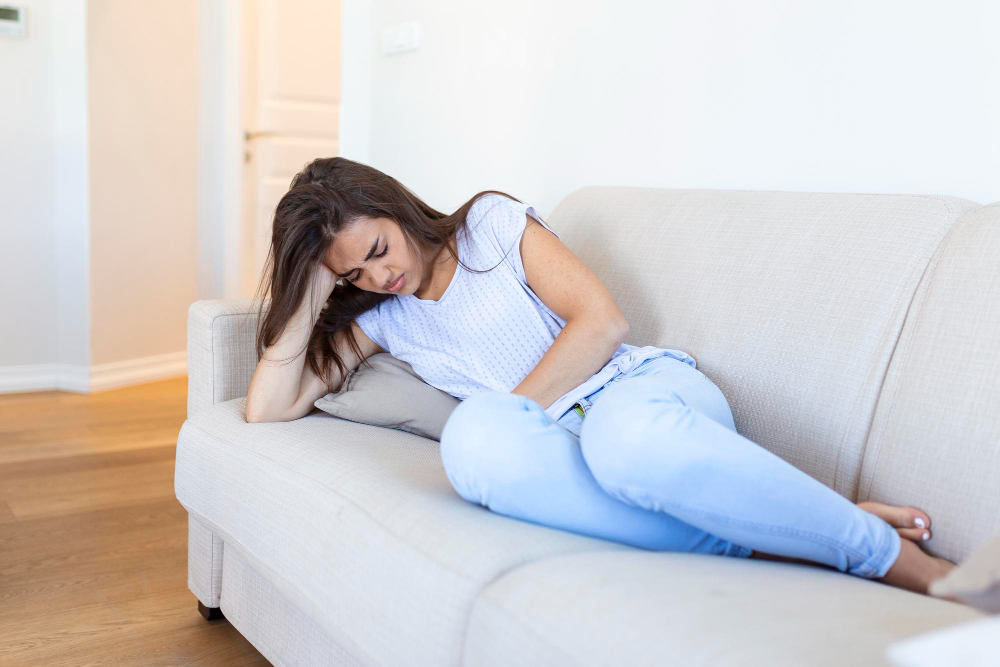
Dysmenorrhea means painful periods or menstrual cramps. Many women feel pain in their lower belly during their periods. Sometimes, this pain can be mild. However, for others, it can be severe and affect daily life. Because of this, finding safe and natural relief is important. Ayurveda for Dysmenorrhea offers gentle ways to manage these symptoms.
What Is Ayurveda? A Holistic Approach
Ayurveda is an ancient Indian system of medicine. It focuses on balancing the body, mind, and spirit. Unlike some treatments, Ayurveda looks at the whole person. For example, it considers diet, lifestyle, and emotions. This holistic approach helps find the root cause of health problems, including period pain.
Ayurvedic View: Causes of Dysmenorrhea
According to Ayurveda, dysmenorrhea often happens due to an imbalance in the body’s energies, called doshas. Especially, an increase in Vata dosha can cause pain and cramps. Other factors include:
Therefore, Ayurveda for menstrual health aims to restore balance and ease discomfort.
Ayurvedic Remedies for Period Pain
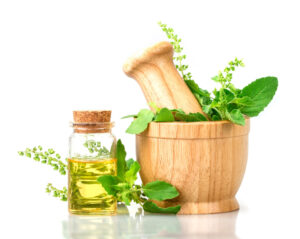
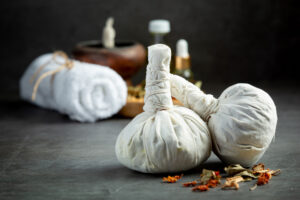
Many people seek Ayurvedic remedies for period pain. These natural methods can help reduce cramps and improve comfort. Here are some popular options:
Always talk to a qualified Ayurvedic practitioner before starting new herbs.
Dietary Tips for Natural Relief
What you eat can affect period pain. Ayurveda suggests simple dietary changes for natural relief for menstrual cramps:
These tips can help calm the body and reduce discomfort.
Lifestyle Changes and Self-Care Practices
Besides diet, lifestyle changes play a big role. For example, regular exercise and stress management can help. Try these self-care practices:
With these habits, you may notice less pain over time.
Safe Home Remedies for Dysmenorrhea
Many home remedies are safe and easy to try. For instance, you can:
However, if pain is severe or lasts long, seek medical advice.
Ayurvedic Prevention Strategies
Preventing period pain is possible with Ayurveda. Here are some prevention tips:
These steps can support long-term menstrual health.
When to Seek Professional Medical Advice
Sometimes, home remedies are not enough. If you have very heavy bleeding, pain that does not go away, or other unusual symptoms, see a doctor. In addition, consult a qualified Ayurvedic practitioner for personalized care. They can suggest the best Ayurvedic remedies for your needs.
Conclusion: Take Action for Better Menstrual Health
Ayurveda for Dysmenorrhea offers natural relief, gentle remedies, and prevention tips. By making small changes in diet and lifestyle, you can ease period pain. However, always listen to your body. Consult a qualified Ayurvedic practitioner for personalized guidance on managing dysmenorrhea.