What Are Piles?
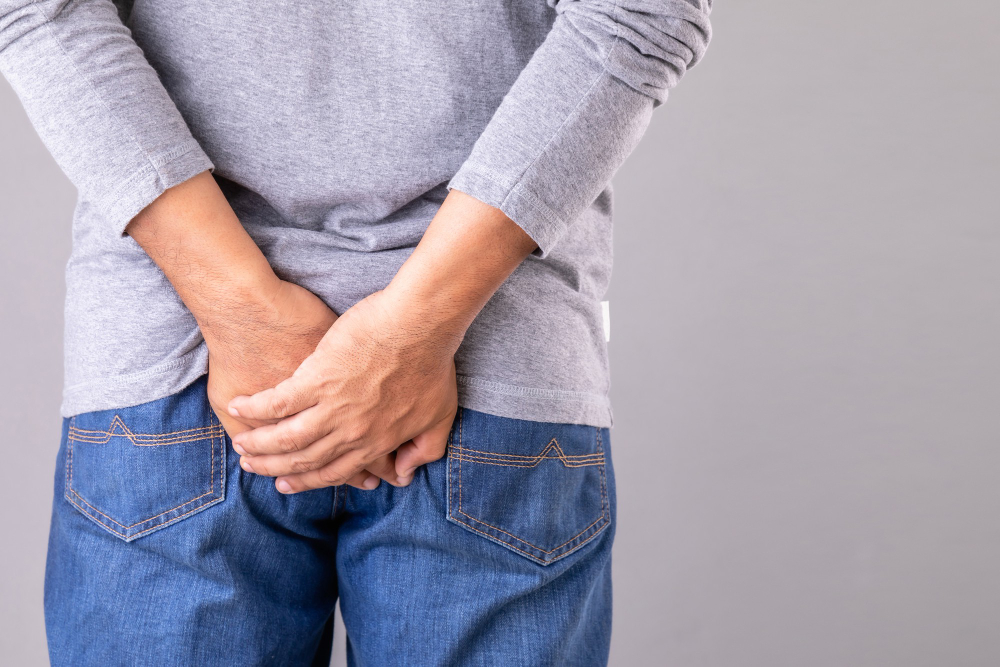
Piles, also called hemorrhoids, are swollen veins in the lower part of the rectum or anus. They can cause pain, itching, and bleeding. Many people feel discomfort while sitting or passing stool. Often, piles are not dangerous, but they can be very bothersome. Early signs include itching, mild pain, and small amounts of blood during bowel movements. Sometimes, you may notice a lump near the anus. If you have these symptoms, you are not alone. Piles are common and affect people of all ages.
Causes of Piles
Several factors can lead to piles. Usually, they develop due to increased pressure in the lower rectum. This pressure can come from:
Because these causes are common, piles can affect many people at some point in life.
How Ayurveda Approaches Piles
Ayurveda for piles uses natural methods to bring relief and prevent future problems. According to Ayurveda, piles are called “Arsha.” They believe piles happen when the body’s natural balance is disturbed. This can be due to poor diet, weak digestion, or unhealthy habits. Ayurveda focuses on restoring balance using herbs, diet, and lifestyle changes. The goal is to treat the root cause, not just the symptoms. Many people choose Ayurvedic treatment for piles because it uses gentle, natural remedies. Ayurveda also aims to prevent piles from coming back.
Ayurvedic Remedies for Piles
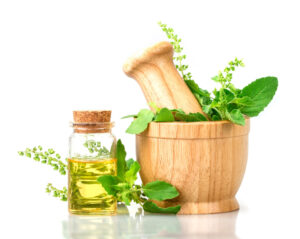
Ayurvedic medicine for piles includes herbs, therapies, and simple home remedies. These can help reduce pain, swelling, and discomfort. Some of the best Ayurvedic herbs for hemorrhoids are:
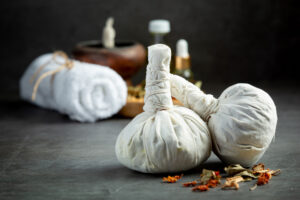
In addition, Ayurveda piles treatment at home may include:
However, always talk to a qualified practitioner before starting any new remedy.
Lifestyle and Dietary Guidance
Ayurveda recommends simple lifestyle and diet changes to prevent and manage piles. These tips can help you find natural relief and avoid future problems:
Because these habits support good digestion, they can lower your risk of piles. If you need more help, Ayurveda clinics in your city may offer personalized advice.
When to Seek Medical Help
While natural remedies can help, sometimes piles need medical care. You should see a doctor if you notice:
Because piles can sometimes signal other health issues, it is important to get a proper diagnosis. The World Health Organization and other experts recommend seeing a healthcare provider for lasting or severe symptoms.
Conclusion
Ayurveda for piles offers gentle, natural relief and helps prevent future problems. With herbs, home remedies, and healthy habits, many people find comfort and healing. However, always consult a qualified Ayurvedic practitioner or healthcare provider for personalized advice on managing piles. Your health and comfort matter most.