Introduction to Ayurveda for Psoriasis
Psoriasis is a skin condition that causes red, scaly patches. Many people look for natural ways to manage it. Ayurveda for psoriasis offers gentle, holistic care. This ancient Indian system uses herbs, oils, and lifestyle changes. As a result, many find relief from itching and discomfort. Ayurveda aims to balance the body and mind. It focuses on treating the root cause, not just the symptoms. If you want natural remedies for psoriasis, Ayurveda may help.
Common Symptoms of Psoriasis
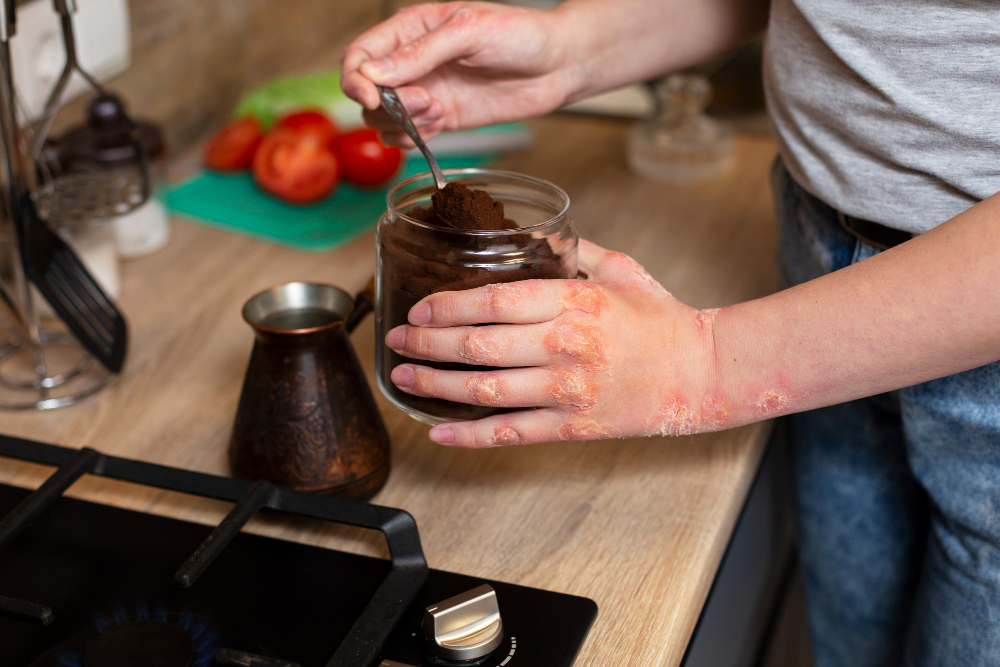
Psoriasis can look different for each person. However, some signs are common. Early recognition helps in better management. Here are the usual symptoms:
Sometimes, symptoms get worse during stress or cold weather. But with the right care, flare-ups can be reduced.
Ayurvedic Understanding of Psoriasis
Ayurveda views psoriasis as a result of imbalances in the body. According to Ayurveda, three energies or doshas—Vata, Pitta, and Kapha—control health. When these doshas are out of balance, skin problems can occur. In psoriasis, mainly Vata and Kapha are disturbed. This leads to dryness, scaling, and thick skin patches. Ayurveda also believes that poor digestion and toxin buildup (called “Ama”) play a role. Therefore, treatment focuses on restoring balance and removing toxins.
Popular Ayurvedic Remedies and Treatments
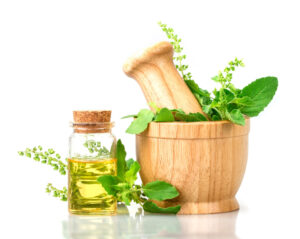
Ayurvedic treatment for psoriasis uses natural herbs, oils, and therapies. These aim to soothe the skin and balance the doshas. Here are some common remedies:
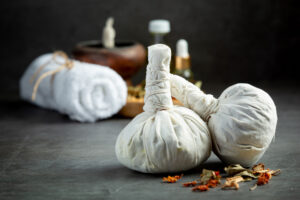
In addition, Ayurveda offers special therapies such as:
Always use these remedies under the guidance of a trained Ayurvedic expert. Some herbs may not suit everyone.
Lifestyle and Dietary Guidance in Ayurveda
Ayurveda skin care is not just about herbs. It also includes daily habits and food choices. Making small changes can support healthy skin. Here are some tips:
Moreover, following a regular routine helps keep the doshas balanced. This can lower the risk of flare-ups.
Prevention Tips and Self-Care
While Ayurveda for psoriasis can help manage symptoms, prevention is also important. Here are some self-care tips:
Additionally, regular check-ups with an Ayurvedic doctor can help track your progress.
When to Consult an Ayurvedic Practitioner
If your symptoms are severe or do not improve, it is best to seek expert help. An Ayurvedic practitioner can suggest a treatment plan tailored to your needs. They may also recommend therapies not listed here. If you are in India, you can find Ayurveda clinics in many cities. Always check that your practitioner is qualified and experienced. For more information, you can refer to the Ministry of AYUSH or the World Health Organization.
Remember: Consult a qualified Ayurvedic practitioner for personalized psoriasis care.