What is Psoriasis?
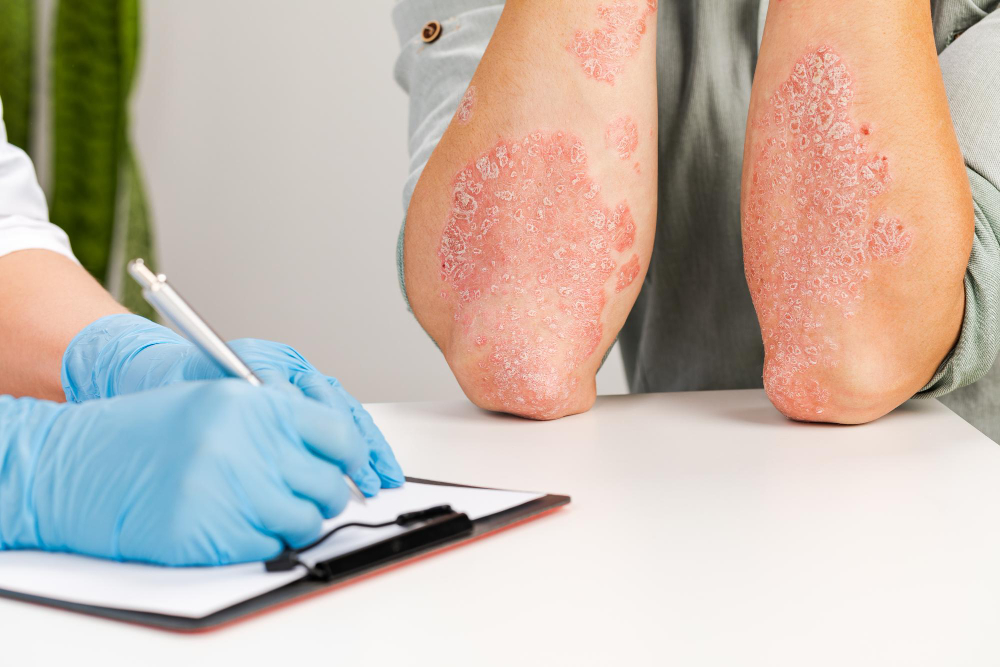
Psoriasis is a long-lasting skin condition. It causes red, scaly patches on the skin. These patches can be itchy or sore. Often, they appear on the elbows, knees, scalp, or lower back. While psoriasis is not contagious, it can affect daily life. Many people look for natural remedies for psoriasis to manage their symptoms. For some, Ayurveda for psoriasis offers a gentle option.
How Ayurveda Views Psoriasis
In Ayurveda, psoriasis is seen as an imbalance in the body. According to this ancient system, health depends on three energies: Vata, Pitta, and Kapha. When these are out of balance, skin problems can occur. Ayurveda calls psoriasis “Kitibha” or “Ekakushtha.” It links the condition to poor digestion, stress, and unhealthy habits. Therefore, Ayurveda for psoriasis focuses on restoring balance and removing toxins.
Common Ayurvedic Treatments for Psoriasis
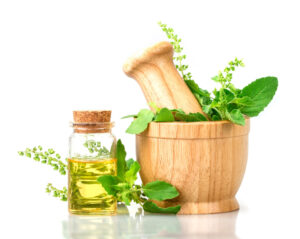
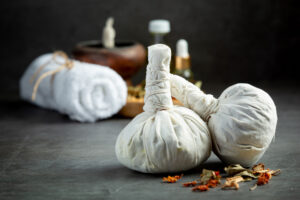
Ayurvedic treatment for skin conditions uses natural herbs, oils, and therapies. These aim to calm the skin and support healing. Some common Ayurvedic treatments for psoriasis include:
However, it is important to use these under the guidance of a qualified Ayurvedic practitioner.
Benefits and Limitations of Ayurvedic Approaches
Ayurveda for psoriasis offers several benefits. First, it uses natural remedies that are gentle on the skin. Next, it focuses on the whole person, not just the skin. In addition, many people find relief from itching and scaling. However, there are some limitations:
Therefore, it is wise to combine Ayurvedic care with regular medical advice.
Lifestyle and Dietary Guidance in Ayurveda for Psoriasis
Ayurveda believes that lifestyle and diet play a key role in managing psoriasis. For example, eating fresh, light foods can help balance the body. Here are some tips from Ayurvedic experts:
With these changes, many people notice an improvement in their skin health.
Safety, Risks, and When to Seek Medical Advice
While Ayurveda for psoriasis is often safe, there are some risks. Some herbal products may interact with other medicines. In rare cases, they may cause side effects. Always check the source of Ayurvedic medicines to avoid contamination. If you notice new symptoms or your skin worsens, seek medical help. For severe psoriasis, it is best to see a dermatologist. Combining Ayurvedic and modern care can offer the best results.
Frequently Asked Questions (FAQs)
Conclusion
Ayurveda for psoriasis offers natural remedies, lifestyle tips, and gentle care. Still, it is important to use these methods safely. Consult a qualified Ayurvedic practitioner or dermatologist for personalized guidance.